Breastfeeding – a Handful of Knowledge
Everything you need to get started. Brief, clear and without pressure.
Breastfeeding isn't a competitive sport. It's a shared learning experience – for you and your baby. Here you'll find what helps you along the way.
Key Points
- Your body is prepared. Milk production begins already during pregnancy.
- Right after birth, your baby receives colostrum, the first milk. It provides especially strong protection for their immune system.
- In the first six months, your baby only needs breast milk. After that, solid foods are introduced, and you can continue breastfeeding as long as you both wish.
- Breastfeeding 8 to 12 times in 24 hours is normal and important.
- You can also express breast milk by hand. The technique is simple and makes you independent.
Your Body Knows What It's Doing
Breastfeeding is like a default setting in your body. Milk production starts already during pregnancy, completely on its own. You don't have to do anything for it.
Right after birth, colostrum is there. It comes in small amounts, but it's exactly what your baby needs right now. Colostrum is highly concentrated and the most effective protection for your newborn's immune system.
In the following days and weeks, your milk changes and continuously adapts to your child's needs. Breastfeeding is also good for you: the hormones released during breastfeeding promote calmness and help your body recover.
The First Skin Contact and First Feeding
After birth, your baby comes onto your bare chest. Something special happens in this skin-to-skin contact: you can get to know each other in peace. Marvel, feel, smell.
After a brief settling-in period, your baby is ready for the first feeding. They have innate reflexes that help them find the breast. Give them the time they need.
Frequent Breastfeeding Is Right and Important
Your baby wants to feed 8 to 12 times in 24 hours, sometimes even more often. This is completely normal. Frequent breastfeeding ensures an adequate milk supply and lots of physical closeness.
How do you recognize when your baby is hungry?
Your baby shows you when they're ready, long before they cry. They turn their head from side to side and search, open their mouth, bring their hand to their mouth, or smack and lick their lips. These are early hunger cues. If your baby is already crying or kicking strongly, that's a late signal. Calm them first and then breastfeed. Over time, you'll recognize the signs more and more quickly.
Sometimes babies want to feed several times in quick succession. This is called cluster feeding and is completely normal. It's often followed by a longer break.
Some newborns are very sleepy at first. In that case, it's good to gently wake your baby and put them to the breast. You can also wake them if your breast feels full.






There are early and late hunger cues. The earlier you respond, the easier it is for both of you. If your baby is already crying or kicking, calm them first and then feed. A baby is fed when hungry – not by the clock.
The Laid-Back Breastfeeding Position
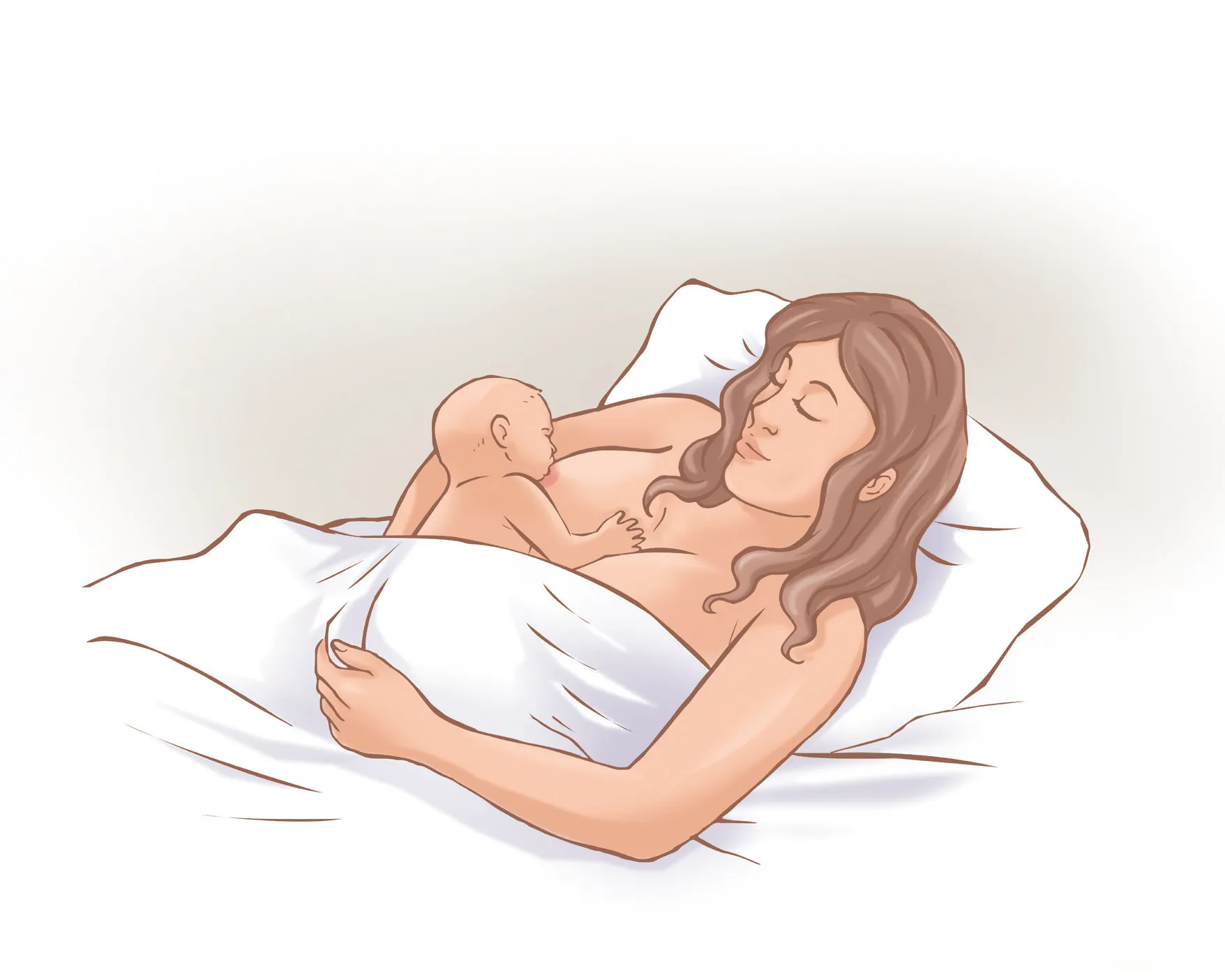
Your baby has innate breastfeeding reflexes. In the right position, they can move to the breast independently and latch on.
Here's how it works: Lean back comfortably, ideally into a semi-upright position supported by pillows. Your baby lies on their tummy on you and can support themselves well with their hands and feet. You can see them and help a little if needed.
This position is especially well-suited for the first weeks of life. Soon you'll be a well-coordinated team and find your own favorite positions.
Hand Expression of Breast Milk
Breast milk can also be expressed without a pump. Hand expression is practical, easy to learn, and makes you independent of electricity and technical devices.
Here's how to do it:
First wash your hands. You can briefly massage the breast if you like. Then place your thumb above and index finger below the breast, about two fingers' width from the nipple, so they're directly opposite each other and form a line with the nipple.
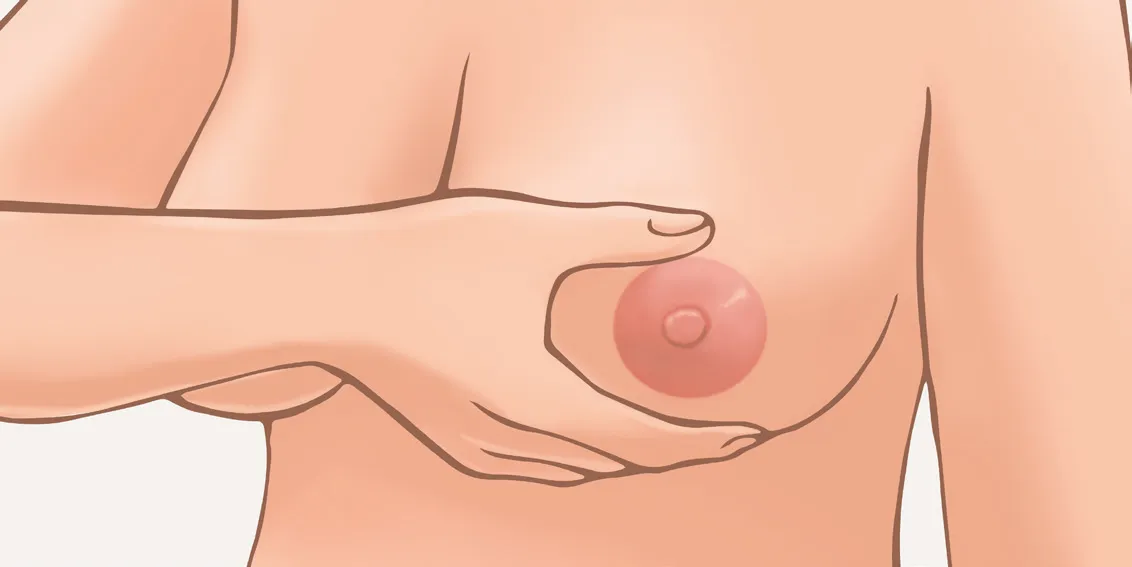
Press your fingers toward your body without spreading them apart. Then bring them together, away from your body, without sliding them on the skin. The tissue is moved along with them. Release the pressure and repeat the process rhythmically.
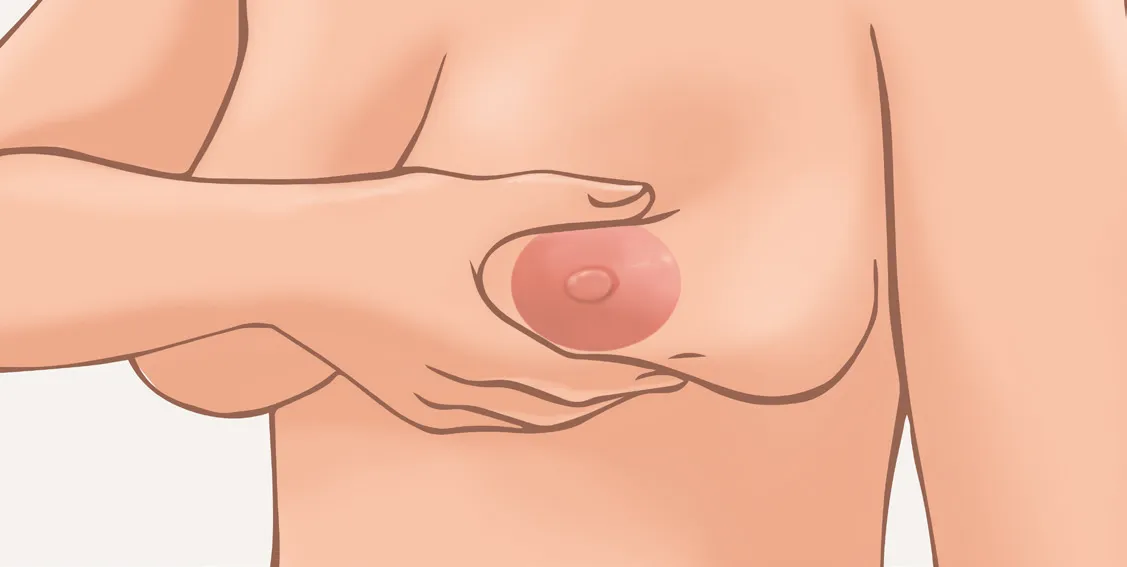
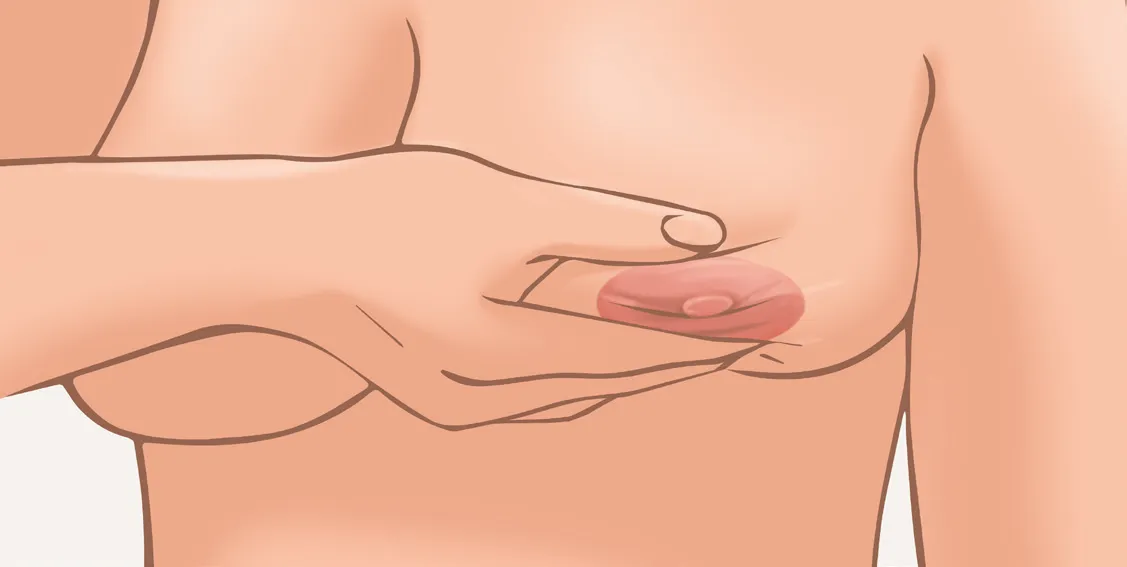
Once the milk starts flowing, catch the milk. When the flow slows down, place your thumb and finger in a new position and start again. This way you move around the nipple until you've covered all areas. All movements should be gentle. It shouldn't hurt.
In the first few days, you can also express additional colostrum this way and collect it with a small syringe or spoon and give it to your baby.
Honeymoon with Your Baby
At home, a special time begins. In skin contact with you and your partner, your baby feels secure. You can get to know each other in peace and settle in as a family.
When your baby is always close to you, you'll quickly recognize their subtle feeding cues and can respond to them. This helps breastfeeding establish itself well.
After a cesarean section, you can breastfeed just as well as after a vaginal birth. Use the laid-back breastfeeding position and place your baby diagonally on your abdomen so their feet point to the side. Or place a pillow in front of the incision.
The WHO Recommendation
The World Health Organization recommends exclusive breastfeeding for 6 months. During this time, your child needs no other food or liquid. From the 7th month onward, you gradually introduce solid foods and continue breastfeeding until the age of 2 years or beyond. Just as you and your child wish.